Author’s Note: This post takes a practical approach to using MagicSchool’s generative AI functions. The many ethical issues that surround the use of AI generative tools have been published broadly. The Center for Teaching Innovation at Cornell University presents an outline of some ethical concerns that can inform educators as they navigate these complexities andContinue reading “Exploring MagicSchool.ai to Help Teach Musical Styles”
Tag Archives: creativity
The Big Question:

On Adolescent Creativity in Online Learning The final assignment for EDU800 was an “elevator pitch”—an exercise in developing the ability to clearly and succinctly communicate our current interests at any given time. Wow. It was hard—not the writing of it; the delivering of it. We were asked to create and post a two-minute video outliningContinue reading “The Big Question:”
The Adolescent Community of Engagement: A Framework for Research on Adolescent Online Learning

Image: Joy Reeves – The Center for Transformative Teaching and Learning at St. Andrew’s Episcopal School. ANNOTATION: Borup, J., West R., Graham C. and Davies, R. (2014) The Adolescent Community of Engagement: A Framework for Research on Adolescent Online Learning. Journal of Technology and Teacher Engagement 22(1), 107-129. Enrollments in K-12 online learning continue toContinue reading “The Adolescent Community of Engagement: A Framework for Research on Adolescent Online Learning”
Higher Order Thinking in an Online World: Toward a Theory of Web-Mediated Knowledge Synthesis

ANNOTATION: Higher Order Thinking in an Online World: Toward a Theory of Web-Mediated Knowledge Synthesis Deschryver, M. (2014). Higher order thinking in an online world: Toward a theory of web-mediated knowledge synthesis. Teachers College Record, 116(12), 1-44. Access to the web is nearly ubiquitous at home, work, and school. Most people use the web for straightforward information-based tasks, butContinue reading “Higher Order Thinking in an Online World: Toward a Theory of Web-Mediated Knowledge Synthesis”
Creating technology-enhanced, learner-centered classrooms: K–12 teachers’ beliefs, perceptions, barriers, and support needs

PHOTO: iStock ANNOTATION: An, Y. J., & Reigeluth, C. (2011). Creating technology-enhanced, learner-centered classrooms: K–12 teachers’ beliefs, perceptions, barriers, and support needs. Journal of Digital Learning in Teacher Education, 28(2), 54-62. Twenty-first century educational thinking moves beyond what Reigeluth (cited in paper, 1994, 1999b) referred to a factory-model “sorting” role, to achieve a higher-order learning role better designedContinue reading ” Creating technology-enhanced, learner-centered classrooms: K–12 teachers’ beliefs, perceptions, barriers, and support needs”
On the Nature of Creativity: Drawing from the PISA 2021 Creative Thinking Framework
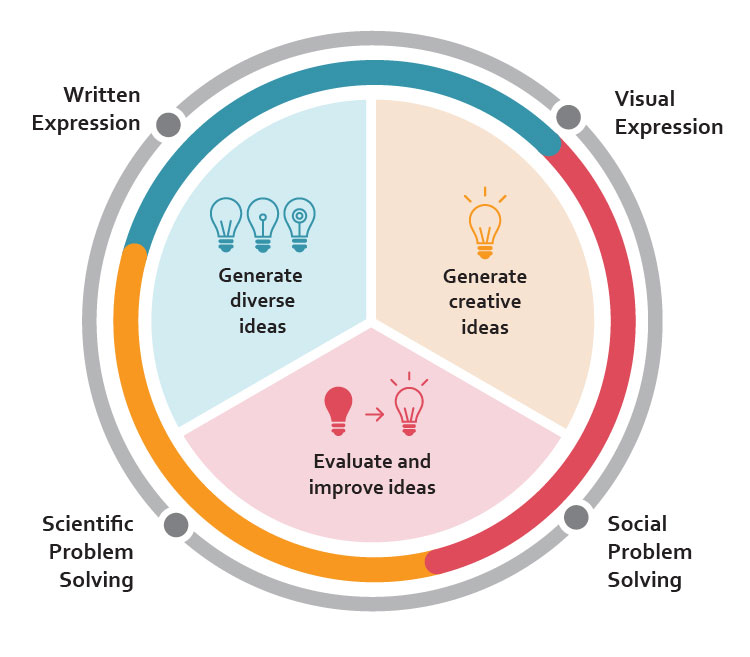
CITATION: OECD. (2019). Framework for the Assessment of Creative Thinking in PISA 2021 (Third Draft) This is a long entry—much longer than I normally post—that in effect summarizes the PISA Creativity Framework, the theoretical foundation for an international test designed to assess creativity. This post begins with an overview of the assessment, then moves into a descriptionContinue reading “On the Nature of Creativity: Drawing from the PISA 2021 Creative Thinking Framework”
On the Development and Practice of AI Technology for Contemporary Popular Music Production

[Photo: Berklee Online.] ANNOTATION: Deruty, E., Grachten, M., Lattner, S., Nistal, J., and Aouameur, C. (2022). On the Development and Practice of AI Technology for Contemporary Popular Music Production. Transactions of the International Society for Music Information Retrieval, 5(1), 35–49. DOI: https://doi. org/10.5334/tismir.100 The music industry has been abuzz with discussion on AI’s entry intoContinue reading “On the Development and Practice of AI Technology for Contemporary Popular Music Production”
“The Web as an Information The Web as an Information Resource in K–12 Education: Strategies for Supporting Students in Searching and Processing Information.”

ANNOTATION: Kuiper, Els, Monique Volman, and Jan Terwel. “The Web as an Information Resource in K–12 Education: Strategies for Supporting Students in Searching and Processing Information.” Vrije Universiteit Amsterdam. Review of Educational Research. Fall 2005, Vol. 75, No. 3, pp. 285–328. This article from 2005 is a meta-analysis of research in Web-based learning from 1997-2002.Continue reading ““The Web as an Information The Web as an Information Resource in K–12 Education: Strategies for Supporting Students in Searching and Processing Information.””
“Bringing a ‘What’s the problem represented to be?’ approach to music education: A National Plan for Music Education 2022”
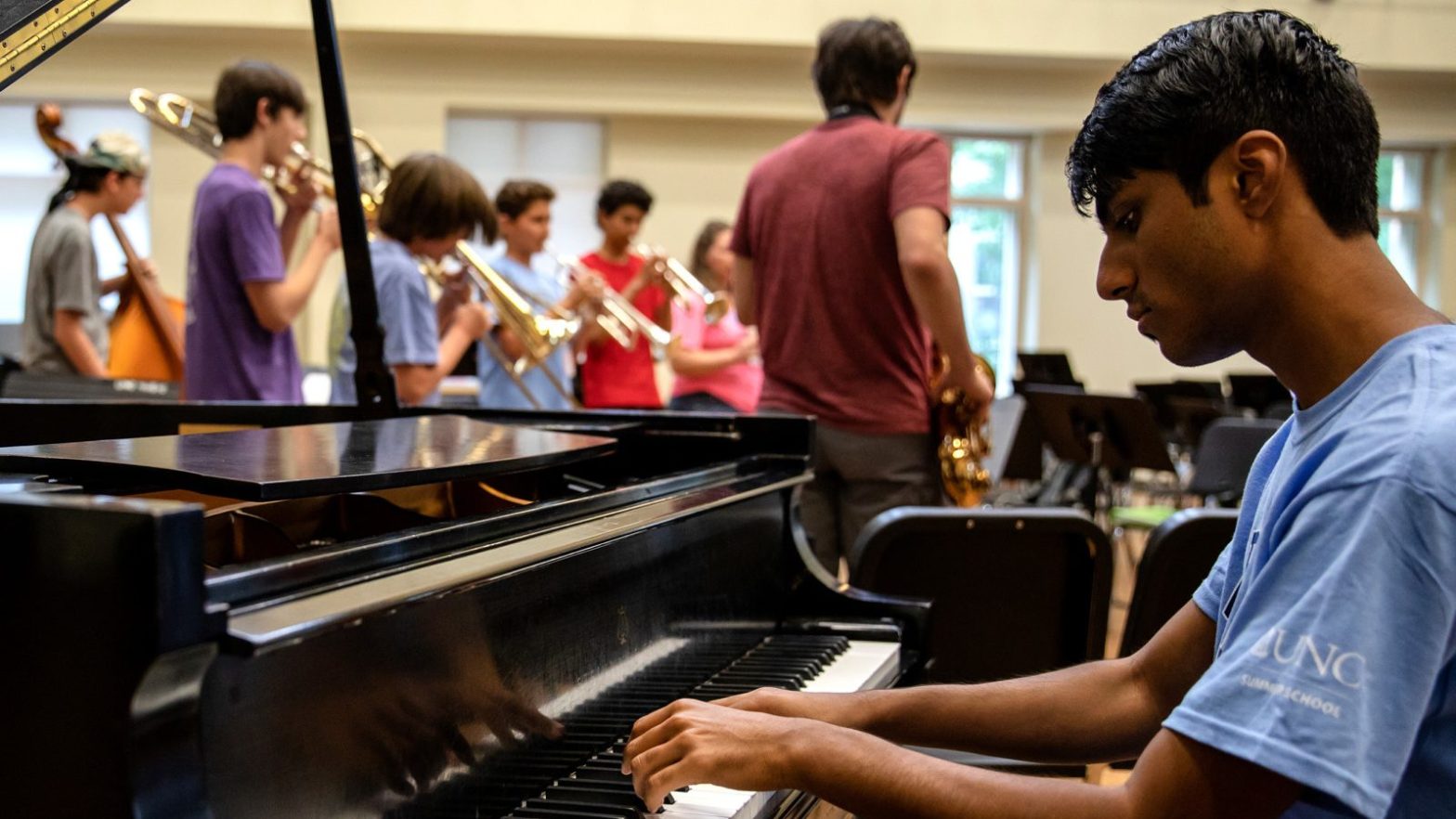
ANNOTATION: Carol Bacchi (2023) Bringing a ‘What’s the problem represented to be?’ approach to music education: a national plan for music education 2022, Music Education Research, 25:3, 231-241, DOI: 10.1080/14613808.2023.2223220 This article presents Carol Bacchi’s “What’s the Problem Represented to Be?” (WPR) critical approach to interpreting the UK’s National Plan for Music Education document (2022).Continue reading ““Bringing a ‘What’s the problem represented to be?’ approach to music education: A National Plan for Music Education 2022””
“A Paradigm Analysis of Arts-Based Research and Implications for Education”

ANNOTATION: Rolling, Jr., James Haywood. A Paradigm Analysis of Arts-Based Research and Implications for Education. Studies in Art Education: A Journal of Issues and Research 2010, 51(2), 102-114. In “A Paradigm Analysis of Arts-Based Research and Implications for Education,” author James Haywood Rolling, Jr. of Syracuse University, attempts to describe arts-based research and outline itsContinue reading ““A Paradigm Analysis of Arts-Based Research and Implications for Education””
 Susan Gedutis Lindsay